

Science and Industry Museum / Manchester
Working engines. Living stories.
Sentio Space won a competitive tender against 35 studios to create the animation and illustration system for a landmark gallery of steam, power, climate and invention.
35
studios in the competitive tender
6
animations for films, touchscreens and interactives
37
illustrations and icons across the gallery
10+
year permanent gallery lifespan
The
Power
Hall
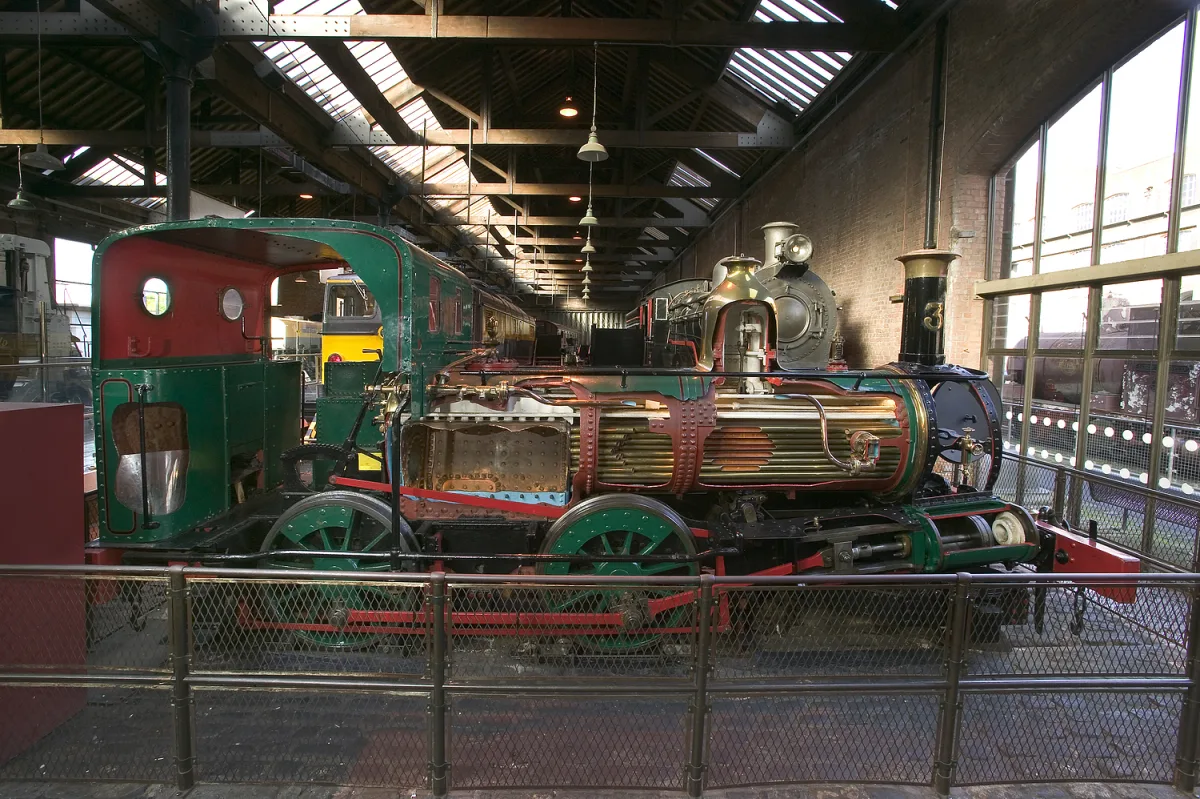
The Power Hall in Manchester is home to some of the most important working engines in Britain. But understanding how these machines generate movement, electricity and industrial change isn't always obvious from looking at them alone.
Sentio Space was commissioned to create the gallery's illustration, animation and interactive media system - helping visitors see energy in motion and connect historic engineering to the world around them.
The result is a permanent gallery experience that brings together steam power, electricity, industry and climate-era infrastructure through films, touchscreens, projections and hands-on interactives.
01 / Animations
Complex engines, made immediate.
The films had to do what gallery labels cannot: show energy moving, parts working together and historic machines connecting to the world visitors already know.
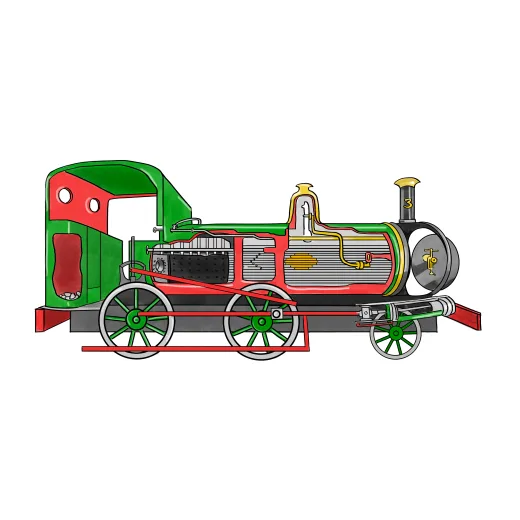
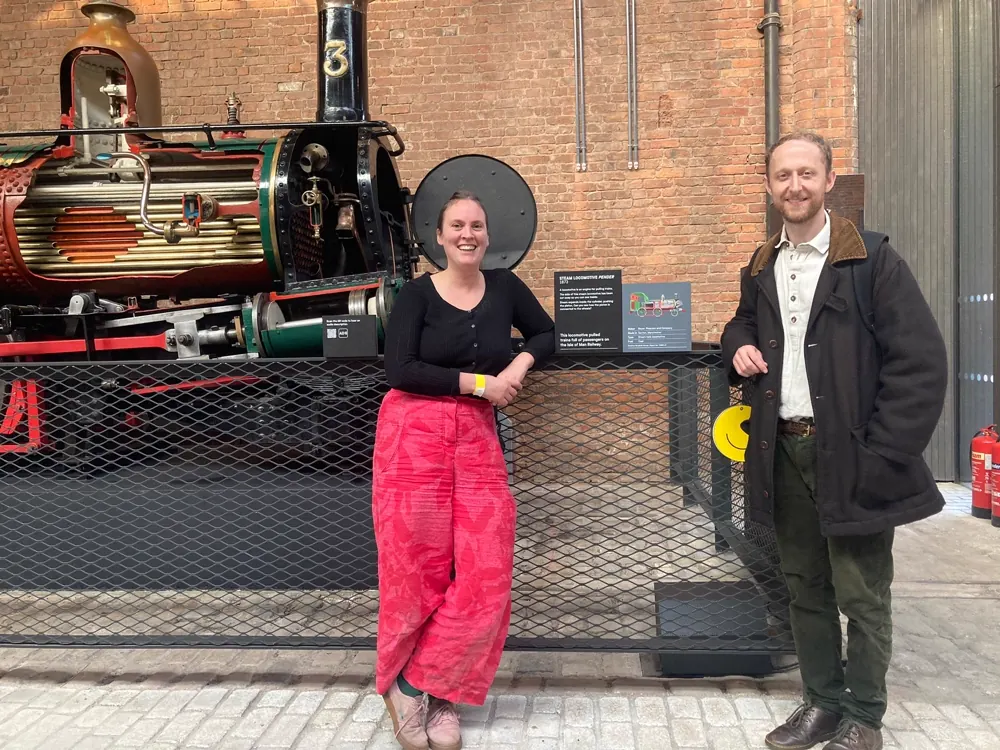
Pender
A locomotive steam engine explained through motion, rhythm and clear visual cause and effect.
02 / Interactive Loop
A film visitors could control.
For Get in Gear, the video had to work slowly, quickly and everywhere in between. The result is a playful production line visitors can speed up and slow down by changing gears.
Every engine, illustrated.
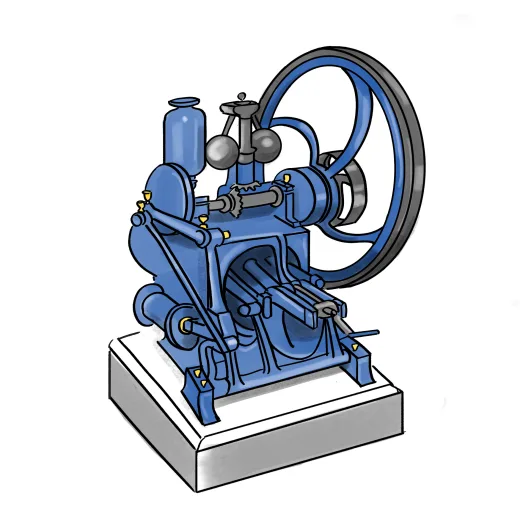
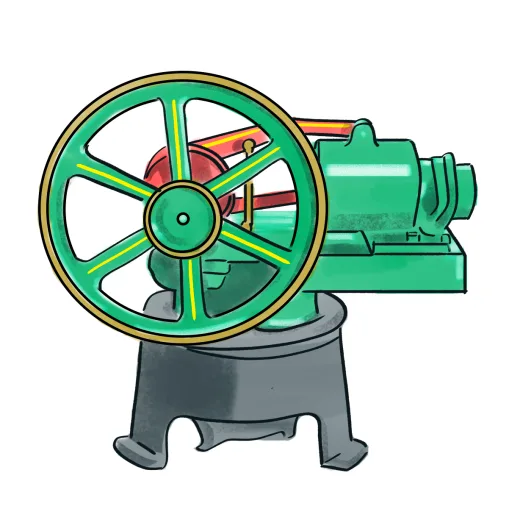
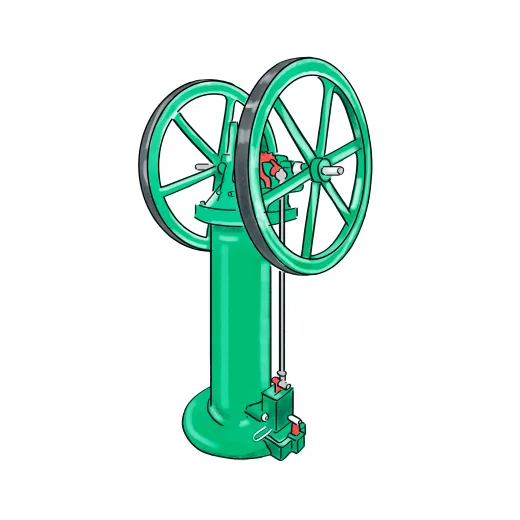
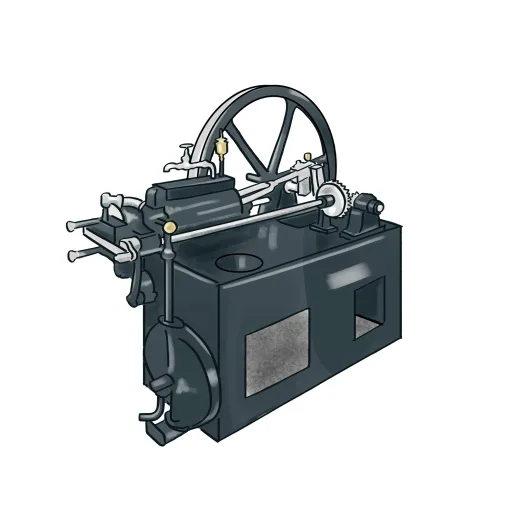
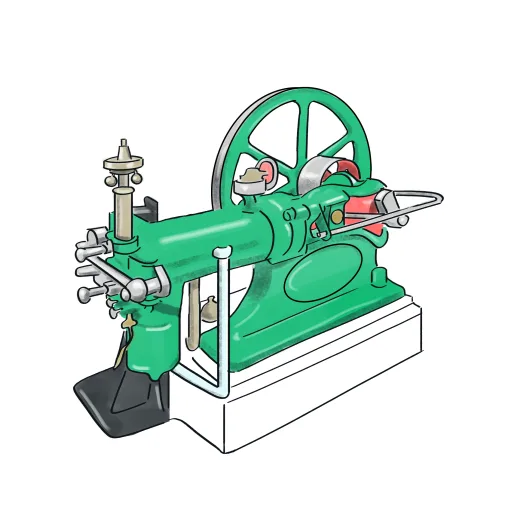
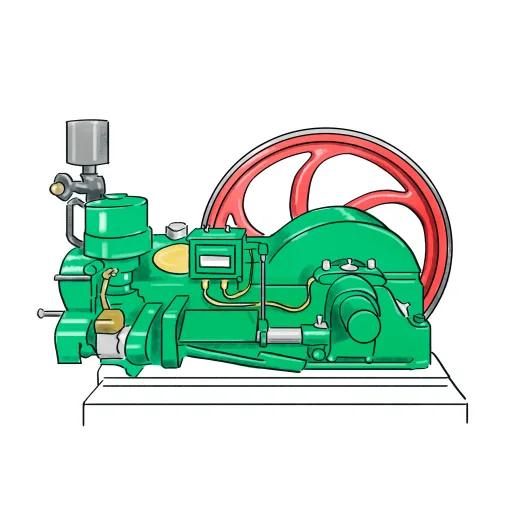
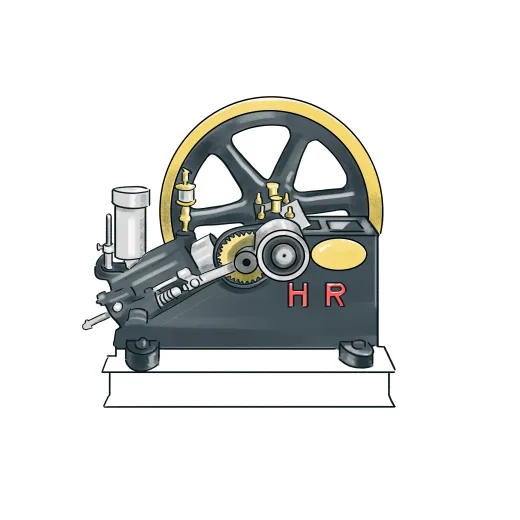
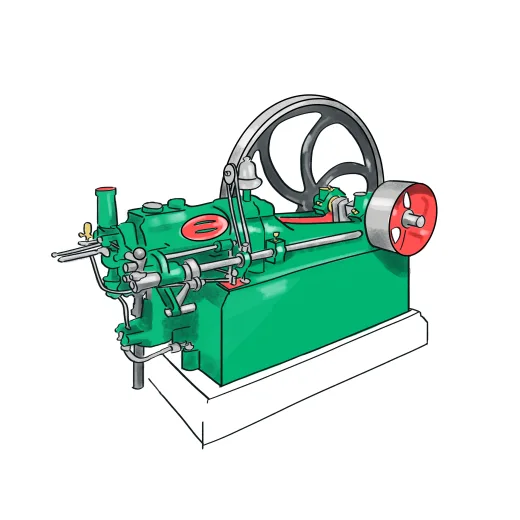
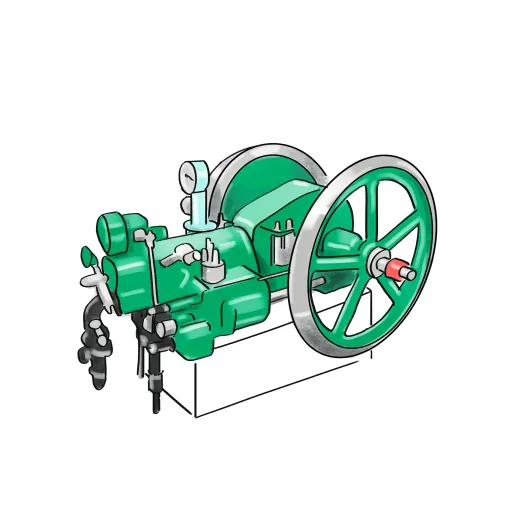
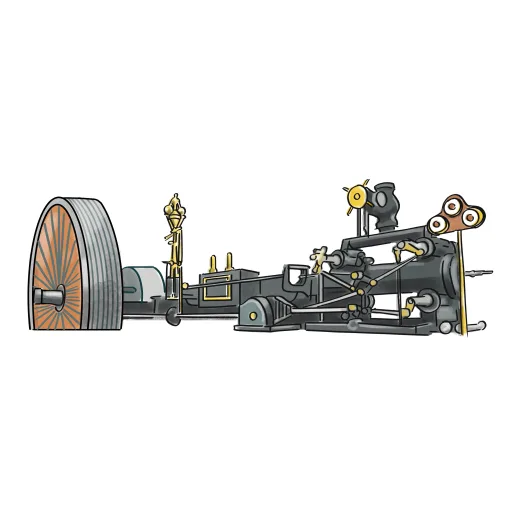
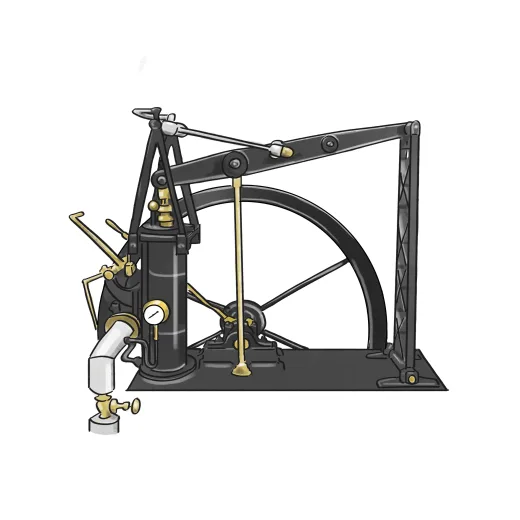
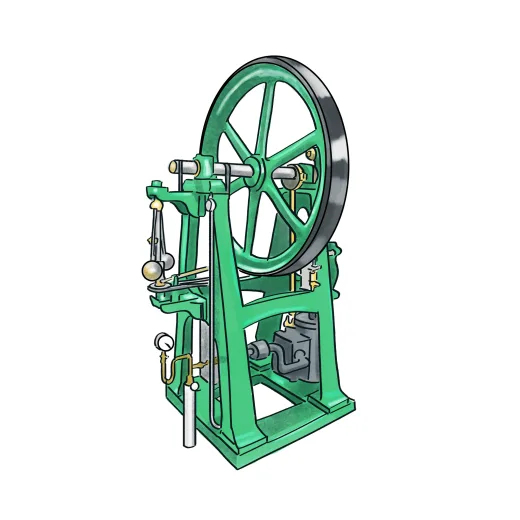
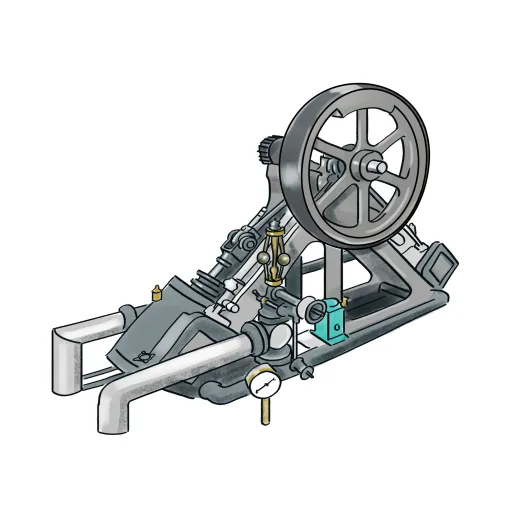
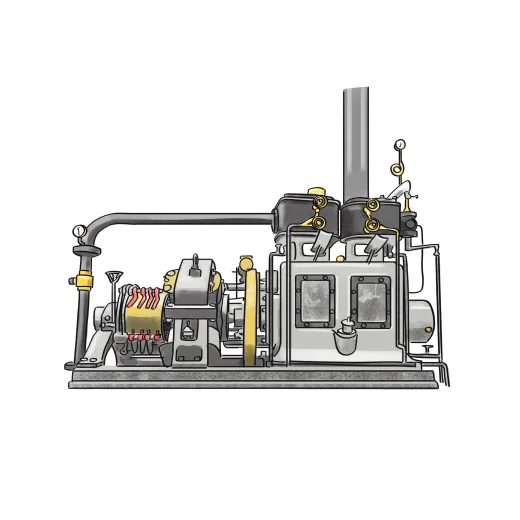
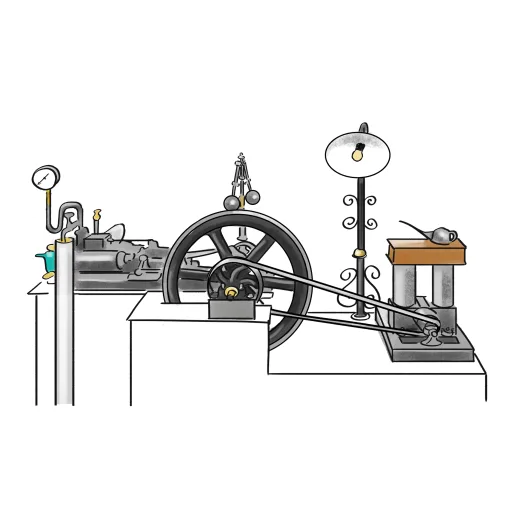
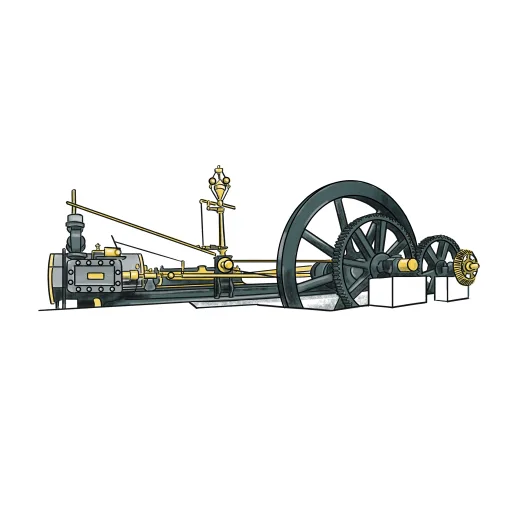
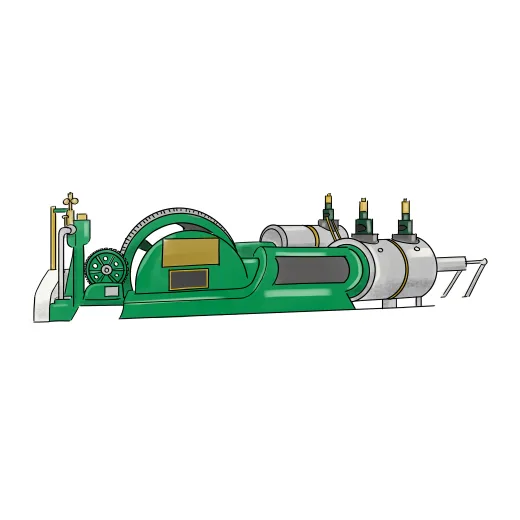
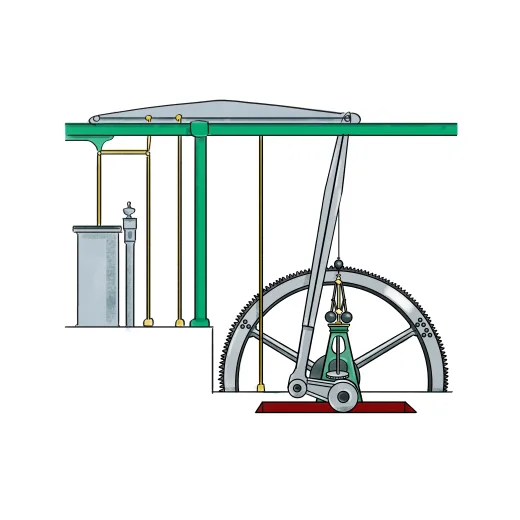
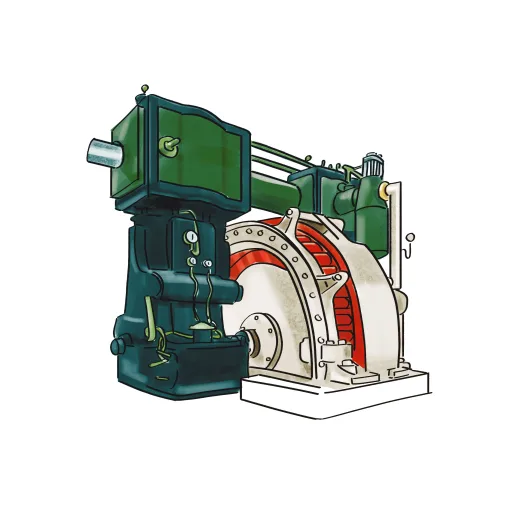
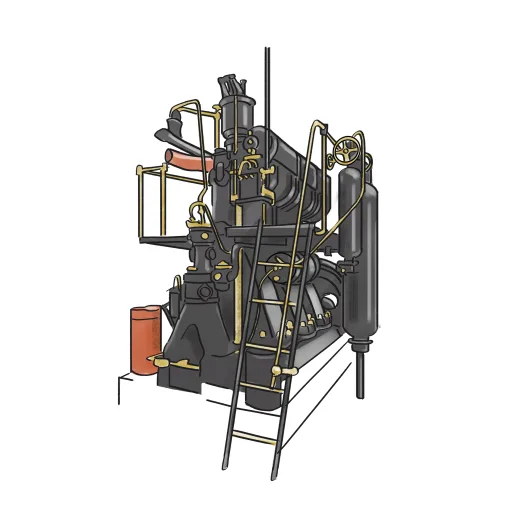
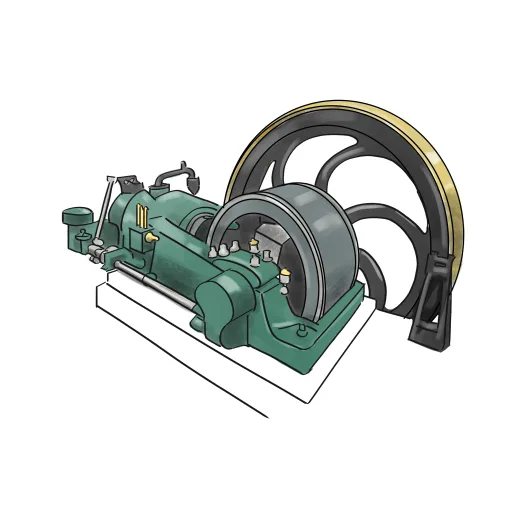
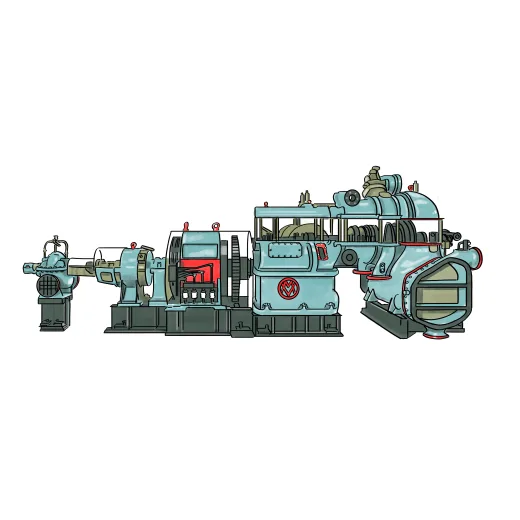
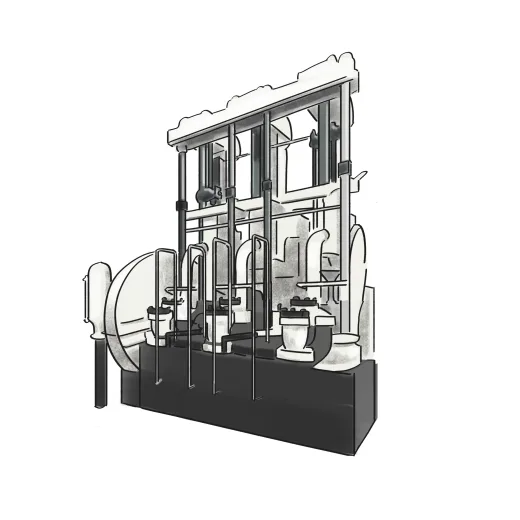
Alongside the films and interactives, we created a complete illustration set for the gallery, including an icon for every single working engine on display.
Each drawing had to be accurate enough to help visitors recognise the real machine in front of them, but simple and bold enough to work across labels, tactile graphics, touchscreens and playful prompts.
The result is a shared visual language that turns the Power Hall's collection into something visitors can scan, compare and understand as they move through the space.
03 / Projection
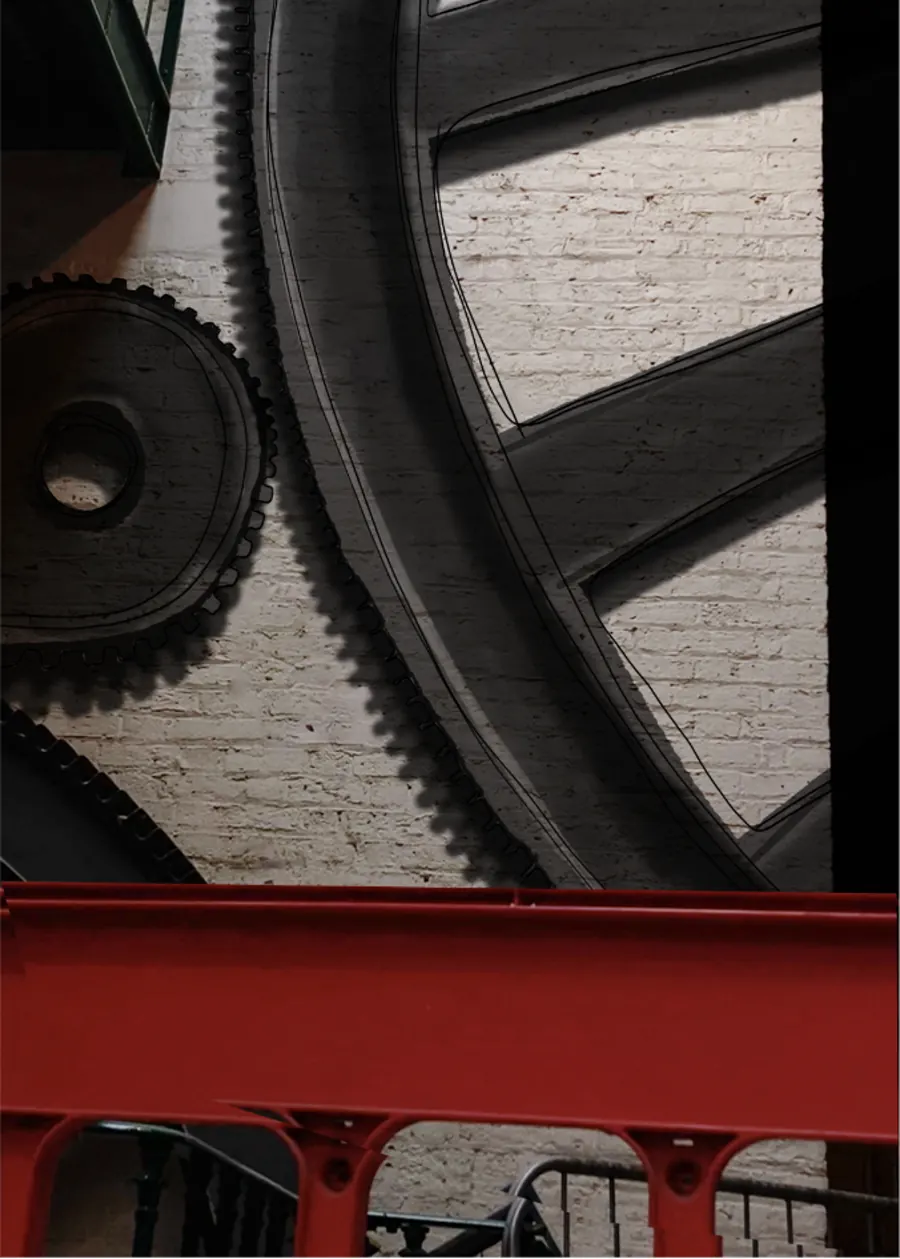
Movement for the room.
“Accuracy combined with a human, friendly style.”
04 / Touchscreens
We created two touchscreen experiences that helped draw visitors into the story. One touchscreen encouraged visitors to press different engine parts to reveal how each component worked inside the wider machine. Another touchscreen explained the museum's new energy system: heat drawn from water, converted into power, and used to help run the working machines in the gallery.
05 / Interactive Icons
Lift, reveal, connect.
The gallery also used lift-the-flap style illustrations that connect historic engines to everyday goods and actions. Hover over each tile to reveal the second state.
06 / Visitor Instructions
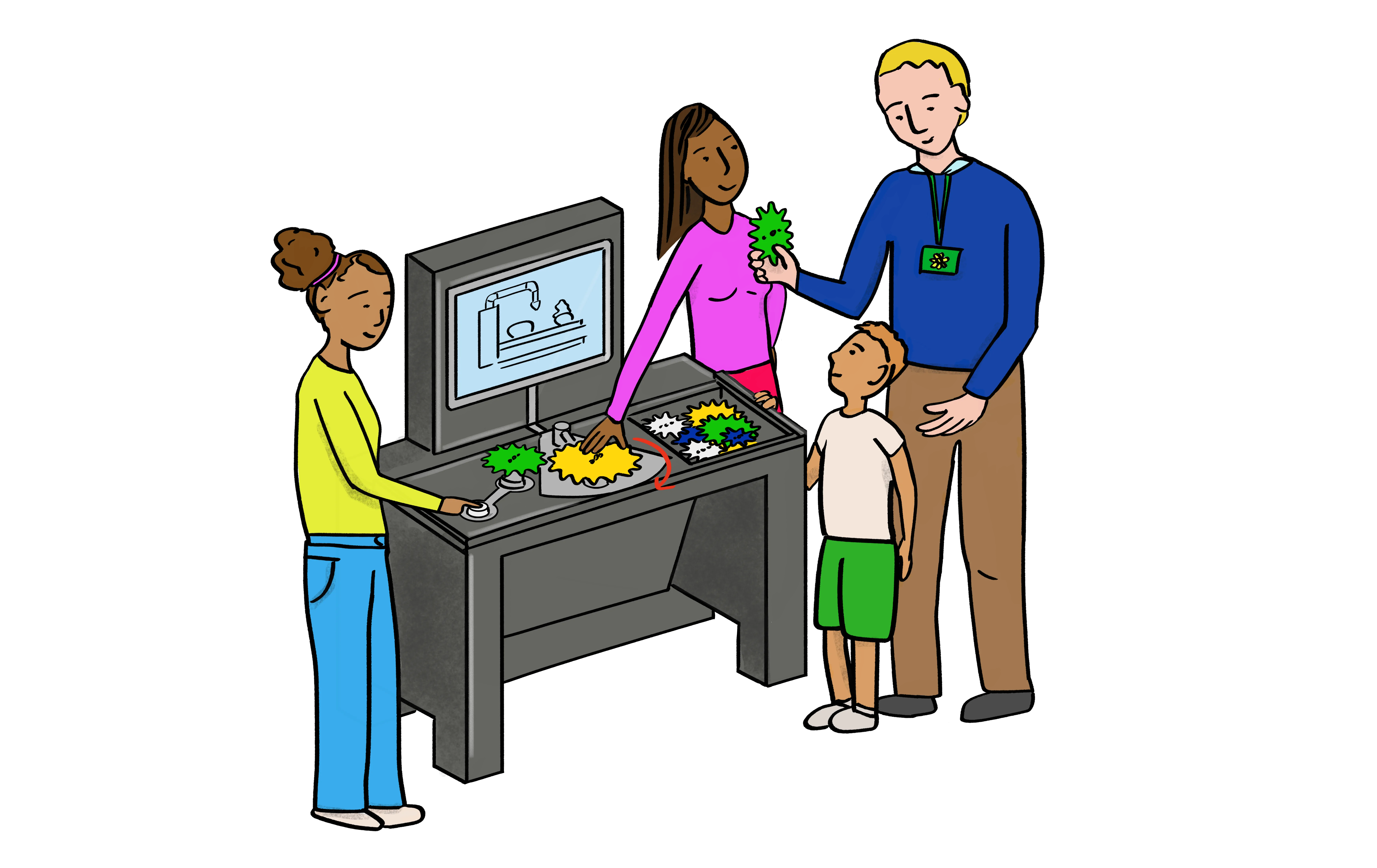
Making the hands-on builds feel open to everyone.
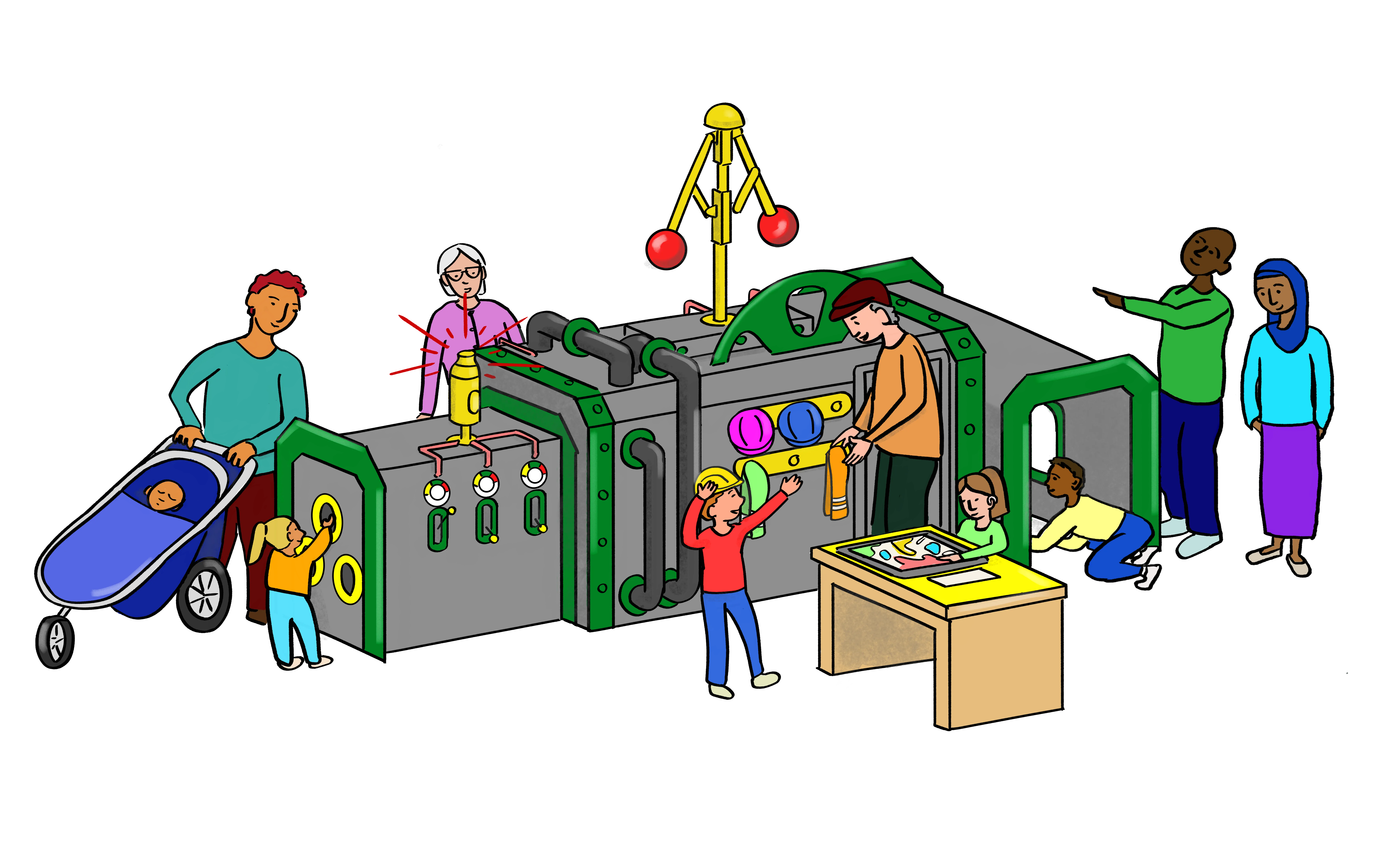
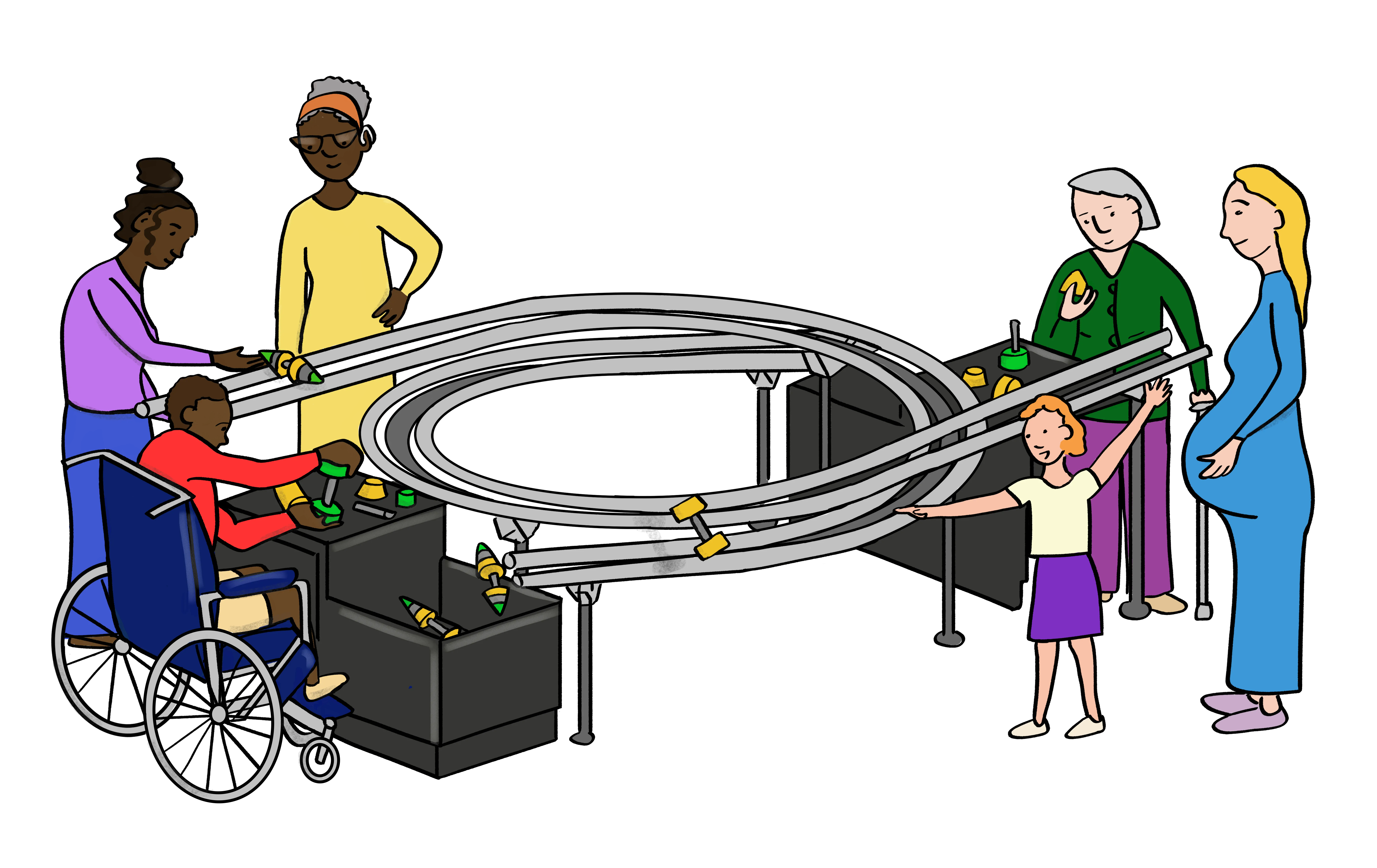
We also created illustrated instruction boards for the physical interactives in the gallery, showing visitors how to use each build before they touched it. The character artwork had to feel clear, welcoming and representative, so we drew a diverse cast of visitors using the interactives with confidence, care and curiosity.
07 / Decarbonisation System
Turning invisible infrastructure into something visitors could explore.
To explain the museum's new heating and energy system, we worked with engineers and the education team to understand how heat, water and power moved through the building. Then we translated that technical system into a permanent touchscreen experience: clear enough for families, accurate enough for the gallery, and robust enough to run all day on BrightSign hardware designed for reliable museum display.
08 / Outcome
A permanent system for a living gallery.
The final work gives the Power Hall a joined-up visual language: films that show motion, illustrations that make machines recognisable, touchscreens that invite exploration, and interactives that help visitors connect historic engineering to the energy systems shaping the future.
Case Study

For Tate Modern, Sentio Space developed painterly moving-image responses that extend the atmosphere and emotional force of The Expressionists.
View the case studyCase Study

The Spirit of Play shows how Sentio Space can give academic ideas warmth, clarity, and a quietly joyful visual tone.
View the case studyCase Study

Sentio Space created a vivid BBC explainer that turns a complicated energy story into something immediate, memorable, and easy to grasp.
View the case studyCase Study

For the National Gallery, Sentio Space shaped an elegant Leonardo story that brings technique, context, and close looking into one cinematic experience.
View the case study